Little Friend Display Font: Elegant Typography for Handmade Products
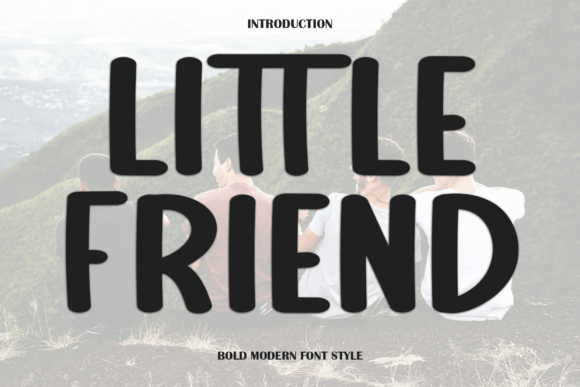
When you are designing physical products, digital downloads, or custom stationery, the right typeface can make or break your brand’s perceived value. Little Friend is a delicate, elegant, and flowing display font that brings a refined touch to any design project. With its beautiful and well-balanced characters, it matches a wide pool of designs, making it an ideal choice for crafters, handmade sellers, and small business owners who want their work to look professional yet approachable.
Unlike heavy, bold display fonts that dominate a page, Little Friend offers a subtle grace. Its flowing nature allows it to blend seamlessly with floral elements, minimalist layouts, and rustic themes alike. Whether you are creating wedding invitations, product labels, or SVG files for cutting machines, this creative font provides the visual appeal needed to attract customers without overwhelming the overall composition.
Visual Personality and Creative Appeal
The charm of Little Friend lies in its balance. It is not overly ornate, nor is it too simple. Instead, it strikes a perfect middle ground that feels both modern and timeless. As a display font, it is designed to be read at larger sizes, where its unique character shapes can shine. The delicate strokes give it a feminine and sophisticated feel, while the flowing connections between letters add a sense of movement and elegance.
This versatility means you can use Little Friend in various contexts. For instance, if you are designing farmhouse signs, the font’s gentle curves soften the rustic aesthetic, making it feel more inviting. On the other hand, when used on boutique tags or premium packaging, it elevates the product, suggesting high quality and attention to detail. This emotional appeal is crucial for handmade businesses, as customers often connect with the story and style behind a product before they even touch it.
Practical Applications for Crafters and Sellers
One of the biggest challenges for Etsy sellers and printable creators is finding fonts that are both attractive and commercially useful. Little Friend excels in this area. Here are some practical ways you can incorporate this typeface into your product line:
- Wedding Stationery: Use Little Friend for wedding invitations, save-the-dates, and welcome boards. Its elegant flow pairs beautifully with floral illustrations, creating a cohesive and romantic look that guests will remember.
- Product Labels and Tags: For candle makers, soap artisans, and boutique clothing sellers, Little Friend works perfectly on small stickers and hang tags. Its readability ensures that essential information stands out, while its style adds a layer of brand identity.
- Greeting Cards and Invitations: Whether for birthdays, holidays, or special events, this font adds a personal touch. It is particularly effective for short phrases, names, and titles, where every letter counts.
- Digital Printables: Create planner pages, wall art, and quote prints using Little Friend. Its clean lines ensure that text remains legible even when printed at smaller sizes, which is important for digital downloads.
- Seasonal Designs: From Christmas gift tags to Easter basket inserts, Little Friend adapts well to seasonal themes. Its neutral elegance allows it to fit into any color palette, from pastel spring tones to deep winter hues.
Readability and Production Tips
While Little Friend is visually stunning, it is important to consider readability, especially when working with small formats. For example, when designing stickers or product labels, avoid using the font for long paragraphs of text. Instead, reserve it for headlines, names, and key phrases. This ensures that your customers can easily read the information without straining their eyes.
If you are using cutting machines like Cricut or Silhouette, test your designs at the actual size before producing them in bulk. Delicate fonts can sometimes lose detail when cut from vinyl or cardstock, so adjusting the spacing (kerning) might be necessary to maintain clarity. Additionally, when preparing mockups for online listings, ensure that the font is clearly visible. A blurry or tiny preview can deter potential buyers, so use high-resolution images that showcase the font’s elegance.
Font Pairing Strategies
To create a balanced and professional design, pairing Little Friend with complementary fonts is highly recommended. Since Little Friend is a delicate display font, it pairs well with simpler typefaces that do not compete for attention.
For a modern look, try combining Little Friend with a clean sans serif font. The contrast between the flowing script and the geometric simplicity of a sans serif creates a contemporary aesthetic that is popular in web design and social media graphics. Alternatively, pairing it with a bold display font or a classic serif font can add depth and hierarchy to your designs. This technique is particularly useful for book covers, magazine layouts, and promotional materials where you need to guide the reader’s eye through different levels of information.
Another option is to pair Little Friend with a handwritten font for a more personal touch. This combination works well for greeting cards and personalized gifts, adding a human element to the design. However, be cautious not to overuse scripts, as too many decorative fonts can make a design look cluttered and hard to read.
Technical Features and Licensing
Before purchasing Little Friend, check the included styles, alternates, ligatures, and swashes. These features can significantly enhance your designs by providing additional character options and decorative elements. For example, swashes can add extra flair to initials or headings, while ligatures can improve the flow of certain letter combinations.
Also, verify the file formats available. Most premium fonts come in standard formats like OTF and TTF, which are compatible with most design software. If you plan to use the font for commercial purposes, such as selling physical products, templates, printables, SVG designs, merchandise, and client work, ensure that the license permits commercial use. Some fonts require separate licenses for different types of projects, so reading the terms carefully is essential to avoid legal issues.
Building Brand Consistency with Little Friend
Consistency is key to building a strong brand identity. By using Little Friend across all your marketing materials, from social media posts to product packaging, you create a recognizable visual language. Customers begin to associate the font’s elegance with your brand’s quality, leading to increased trust and loyalty.
For example, if you sell handmade jewelry, using Little Friend on your business cards, email newsletters, and online store banners reinforces your brand’s sophisticated image. Similarly, if you offer digital planners, using the same font for titles and headers helps users navigate your products easily, enhancing the user experience.
In conclusion, Little Friend is more than just a pretty font; it is a versatile tool that can elevate your craft projects and business presence. Its delicate and flowing design makes it suitable for a wide range of applications, from intimate wedding stationery to bold product labels. By understanding how to use this display font effectively, you can create designs that not only look beautiful but also resonate with your target audience. Whether you are a seasoned seller or just starting out, incorporating Little Friend into your design workflow can help you stand out in a crowded marketplace.